Building Synthetic Roof Covering vs Traditional Products in the Midwest
Anyone that has actually spent a few years watching roofing systems age in the Midwest learns promptly that this region is ruthless. A roofing here does not face one climate. It encounters every one of them. January can bring ice dams, wind chill, and heavy snow resting on the eaves for days. April often provides freeze-thaw swings and hard rain. Summer bakes dark surfaces under solid UV direct exposure, then rolls in hail storm and straight-line winds. Autumn goes down leaves right into valleys and gutters, trapping dampness where weak products start to fail.
That climate truth is the genuine backdrop for the discussion around building synthetic roofing versus conventional products. House owners are no more choosing solely on appearance or initial price. They are weighing weight, weather efficiency, maintenance cycles, setup complexity, and just how well a roofing will certainly still look after ten or twenty Chicago-area winters. In higher-end neighborhoods, that discussion gets back at more certain. People want the aesthetic splendor of slate, cedar shake, or tile, but they additionally want a system that does not penalize them with continuous upkeep.
The increase of costs synthetic roof is not a trend. It is a reaction to useful problems that traditional roofing products have actually always had, especially in the Midwest.
What "building artificial roof covering" actually means
The term obtains used freely, so it helps to define it. Architectural artificial roof normally refers to engineered roof covering items created to reproduce the look of all-natural slate, cedar shake, or clay ceramic tile while enhancing effect resistance, https://salvoarchitecturalroofingcontractors.com/hybrid-slate-roofs/ decreasing weight, and simplifying installment. Depending upon the supplier, these products may be made from sophisticated polymers, recycled composite blends, or other crafted materials.
Not all synthetic roofs are developed equivalent. Some are plainly entry-level choices suggested to strike a price point. Others are true premium artificial roof covering products with deep profiles, shaped texture, personalized color blending, and accessory pieces that develop a completed, persuading roofline. The distinction matters. A bargain synthetic tile may look flat and repeated from the road. A durable building item can deceive many people until they are standing a couple of feet away.
In practical terms, the best architectural synthetic roof intend to resolve a challenging formula. They try to maintain the curb allure of heritage products while minimizing a few of the responsibilities that include them.
Why the Midwest alters the equation
A roof material that performs well in a completely dry, temperate environment might let down badly in Illinois, Wisconsin, Indiana, or Michigan. The Midwest exposes weak points fast.
Natural cedar, for example, can be gorgeous. Fresh cedar shake has heat and deepness that home owners like. However on homes shaded by fully grown trees, especially near the lakeshore or in established suburban lots, dampness retention becomes a significant problem. Shakes can mug, split, dim unevenly, and welcome moss or algae growth. That does not mean cedar is a bad product. It implies cedar needs the appropriate environment and mindful upkeep, which not every house owner is prepared to provide.
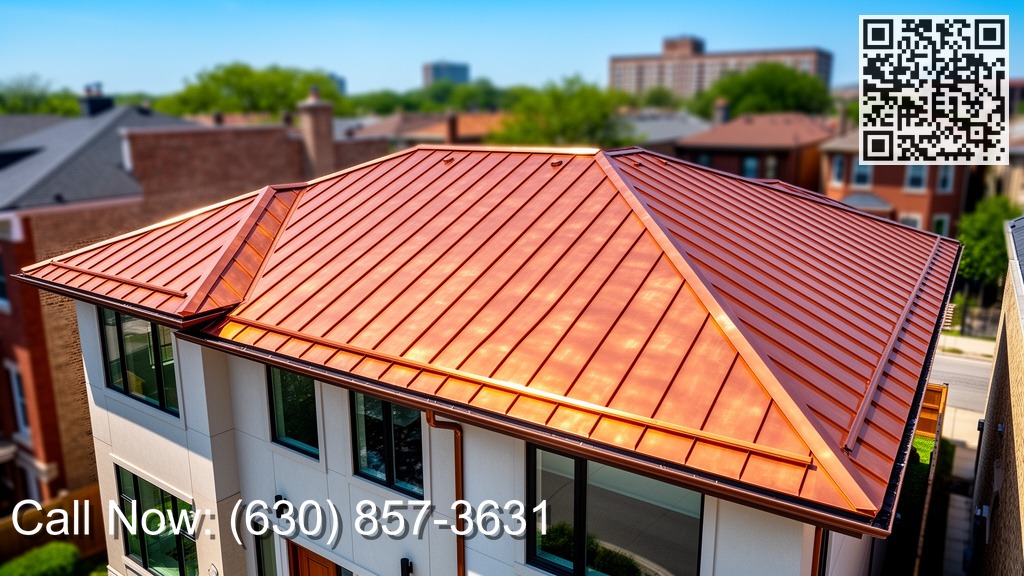
Natural slate is an additional example. Appropriately sourced and installed slate can last a long time. It brings unequaled stature. Yet slate is heavy, brittle under foot web traffic, expensive to fix, and unrelenting of setup errors. In the Midwest, where roofing replacement frequently adheres to storm events and insurance timelines, searching for teams with true slate know-how can be tough. One lost step on a cool morning can break items that after that require specialized replacement.
Asphalt shingles, the default choice across much of the area, address several of these troubles yet present others. They come and familiar, and a top quality building asphalt tile continues to be an affordable roof for lots of homes. Still, Midwest hail, granular loss, thermal biking, and wind exposure can shorten real-life efficiency compared to what house owners expect when they listen to a long warranty term.
That is why household synthetic roof has carved out a growing location out there. It sits between aspiration and practicality.
How synthetic roof compares to asphalt, cedar, slate, and tile
The strongest situation for artificial roofing tiles is not that they defeat every standard product in every category. They do not. The instance is that they commonly execute much better throughout the categories that matter most to Midwest homeowners.
Asphalt shingles still win on entry price. If budget plan is the very first and overriding issue, asphalt continues to be one of the most usual answer. A home owner replacing a common suburban roof covering after storm damage can usually maintain prices within a familiar range with laminated tiles. However the long-lasting picture can shift if repeated repairs, much shorter life span, or visual restrictions matter.
Cedar delivers appeal that is difficult to phony when it is new. On historic homes and specific architectural designs, it looks specifically best. Yet its upkeep worry is actual. In areas with hefty tree cover, I have actually seen cedar roofing systems start showing unequal wear well before proprietors expected it. Once splitting and dampness biking increase, the roofing can go from "weathered and handsome" to "exhausted and prone" faster than many people are ready for.
Slate is still the criteria for reputation, but it brings architectural and logistical considerations. Some homes need reinforcement to support it. Repair work needs experienced hands. Flashing information end up being critical. The material itself can last longer than several other elements of your home, however only if the entire system is treated keeping that very same level of care.
Clay and concrete floor tile are much less usual in the upper Midwest than in warmer regions, partly as a result of design fit and partly because freeze-thaw problems can be penalizing. Floor tile additionally includes weight and complexity, and it does not make good sense on every roofing structure.
Architectural artificial roof gets in that mix as a lower-weight, typically impact-rated option that can simulate slate or shake well while enduring Midwest weather much better than lots of proprietors expect. An appropriate synthetic roof covering substitute can provide the aesthetic declaration of a luxury roof covering without forcing the home to carry the structural lots or the same upkeep needs of natural materials.
Appearance, and the question property owners hardly ever ask correctly
Most people ask whether synthetic roof covering looks "genuine." That is easy to understand, but it is not quite the best question. The much better concern is whether it looks appropriate on the house.
A great roof is not just an isolated product. It needs to fit the range, style, house siding texture, stonework color, window trim, and even the profile of the gutters and blinking. Some artificial products have hefty darkness lines and differed sizes that match a Tudor, French country, or lakefront custom-made home perfectly. Others look too uniform for a premium construct and can really cheapen the outside if the pattern repeats as well obviously.
This is particularly crucial with synthetic roofing for high-end homes. Buyers at the top of the market notice information. They may not recognize the maker from the driveway, but they can inform when a roof feels flat, shiny, or disproportionate. The most effective premium synthetic roofing items avoid that trouble by blending widths, staggering reveals, and using mixed pigmentation that resembles natural aging rather than a factory-printed monotone.
In locations such as Naperville, Hinsdale, Lake Forest, and parts of the North Coast, roofing selection often converges with design review criteria, neighborhood expectations, and resale positioning. A home owner searching for artificial roof covering Naperville IL is frequently not seeking the least expensive roof offered. They are searching for the appropriate visual outcome with fewer migraines over time.
Weight issues more than lots of people realize
Structural load is not a glamorous topic, however it drives several roof covering choices behind the scenes. All-natural slate and floor tile can consider numerous times greater than asphalt or many synthetic choices. On a brand-new personalized develop, an architect and engineer can plan for that from the first day. On an existing home, the story is different.
I have actually seen homeowners fall in love with the look of slate, only to find out that bringing their mounting up to the required capacity would certainly include a considerable expense prior to a solitary roof tile was mounted. That sort of discovery can hinder a job quick. Artificial roof often protect the wanted appearance while preventing support work.
Lower weight also aids in subtler ways. It can reduce stress on older framework members, streamline staging and dealing with on site, and ensure roofing system designs more practical to execute. It does not eliminate the need for knowledgeable labor, yet it widens what is feasible on an existing Midwest home.
Hail, wind, and effect resistance
This is where artificial roof coverings often earn their maintain. In the Midwest, storm efficiency is not theoretical. Hail storm insurance claims are common sufficient that property owners and insurance companies both pay very close attention to influence resistance ratings.
Many premium synthetic roofing products are crafted to achieve high effect resistance, usually much better than natural slate or cedar, which can fracture, split, or bruise under hail. That does not indicate a synthetic roofing is indestructible. Big enough hailstorm can damage almost anything. But on balance, well-made artificial products tend to take in effect a lot more forgivingly than breakable all-natural products.
Wind efficiency is additionally considerable in open suburban advancements and on homes near fields, golf courses, or lakefront direct exposures. Conventional materials can fail at fasteners, sides, or individual items when uplift pressures find a weak point. An appropriately designed artificial roofing system installation, coupled with the right underlayment and device elements, can perform extremely well in those conditions.
The catch is "properly made." A premium item installed carelessly will not measure up to its promise. That is why the choice of synthetic roofer matters nearly as much as the material itself.
Installation high quality is not a side issue
Homeowners often go shopping roof covering products as if setup were interchangeable. It is not. A synthetic roof business that understands the product line, local code needs, slope changes, air flow, flashing details, snow and ice patterns, and manufacturer-specific accessories will certainly create a significantly different result than a crew attempting the product for the second or 3rd time.
This turns up often in synthetic roofing Chicago tasks. Chicago and the bordering suburban areas have a significant series of real estate stock, from compact bungalows to steep-roofed historical homes to large custom-made residences with complicated valleys, dormers, and converging roofing system airplanes. Artificial products can manage that selection well, but just if format and describing are done thoughtfully.
An experienced synthetic professional roofer Chicagoland house owners depend on will typically start by looking beyond the surface product. They evaluate attic ventilation, deck problem, blinking at masonry changes, rain gutter method, ice-and-water defense, and whether snow guards or details accessory pieces make good sense. They also take note of visual information. Direct exposure lines, starter placement, ridge therapy, and shade option can make the distinction between a roofing that looks refined and one that simply looks expensive.
When individuals hire artificial roofing system installers based only on the lowest bid, issues have a tendency to turn up in the details initially. Misaligned training courses, uncomfortable valley shifts, cheap flashing metals, and inconsistent fastening patterns have a method of surfacing within a few seasons.
Maintenance facts over time
One of the most significant debates for artificial roofing substitute is lowered upkeep compared with all-natural cedar or slate. That debate is typically fair, but it must be mentioned carefully.
Synthetic roof coverings are reduced maintenance, not no upkeep. Gutters still need cleansing. Valleys still gather debris. Flashings still are worthy of regular assessment. Sealants around relevant roof covering infiltrations will certainly not last forever just because the area material is synthetic. Branches scratching the roofing can still create aesthetic wear. Ice dam concerns can still create if the attic room is inadequately shielded and ventilated.
What adjustments is the susceptability of the field material itself. A synthetic slate or shake item is commonly much less likely to divide, rot, peel, or split under regular seasonal stress than all-natural wood or rock options. For numerous property owners, that lower upkeep profile is the factor. They desire the architectural appearance without having to baby the roof.
Cost, and where people frequently misinterpret value
It is very easy to contrast roofing propositions by taking a look at the total at the end of the web page. It is harder, and more useful, to contrast value over twenty or thirty years.
Synthetic roofing systems usually set you back more upfront than common asphalt tiles. They usually cost less than top-tier natural slate or premium cedar installments, especially when you factor in structural support, specialty labor, and long-lasting upkeep. That positions architectural synthetic roof covering in a middle-to-upper tier that attract property owners planning to stay, protect visual appeals, and lower lifecycle headaches.
The error I see most often is dealing with every artificial choice as if it belongs in the exact same bucket. It does not. There is a real spread in item top quality, thickness, realism, guarantee terms, and accessory efficiency. Some makers use durable system-based bundles. Others mainly use area shingles and leave installers to improvise edge and detail conditions. That can influence both look and durability.
For a home owner contrasting proposals, the most helpful questions typically include the whole system, not just the visible roof shingles or tile.
- What underlayment package is consisted of, especially at eaves, valleys, and penetrations?
- Are flashings being changed entirely, or reused where convenient?
- Does the installer have purposeful experience with this certain synthetic product?
- Are ridge, hip, and starter accessories matched to the system?
- How will certainly air flow be addressed as part of the replacement?
Those responses commonly disclose a lot more regarding lasting worth than the product tag alone.
Where conventional materials still make sense
It would slouch to claim synthetic roofs are always the best response. They are not.
For a strict historic reconstruction, natural products might be required or merely better. Some landmarked homes ought to have genuine slate or cedar since that is part of their building identity. In various other situations, a house owner might truly value the patina and aging features of all-natural products, also recognizing the additional maintenance they bring.
Budget additionally matters. If a family members needs a reputable roof at one of the most manageable in advance price, a well-installed asphalt system might be the most logical choice. There is absolutely nothing inherently incorrect keeping that. Roof decisions should fit both the house and the property owner's priorities.
There are likewise design limitations. Some homes do not gain from a synthetic slate or shake account since their architecture is as well ordinary, too low-pitched, or also modest in range for that product language to look natural. A roof needs to elevate your house, not outfit it.
Where synthetic roof covering often tends to shine
The greatest candidates for property synthetic roofing are homes where look matters, storms are a concern, and the owner wants a longer-term material without the weight and upkeep of standard deluxe products.
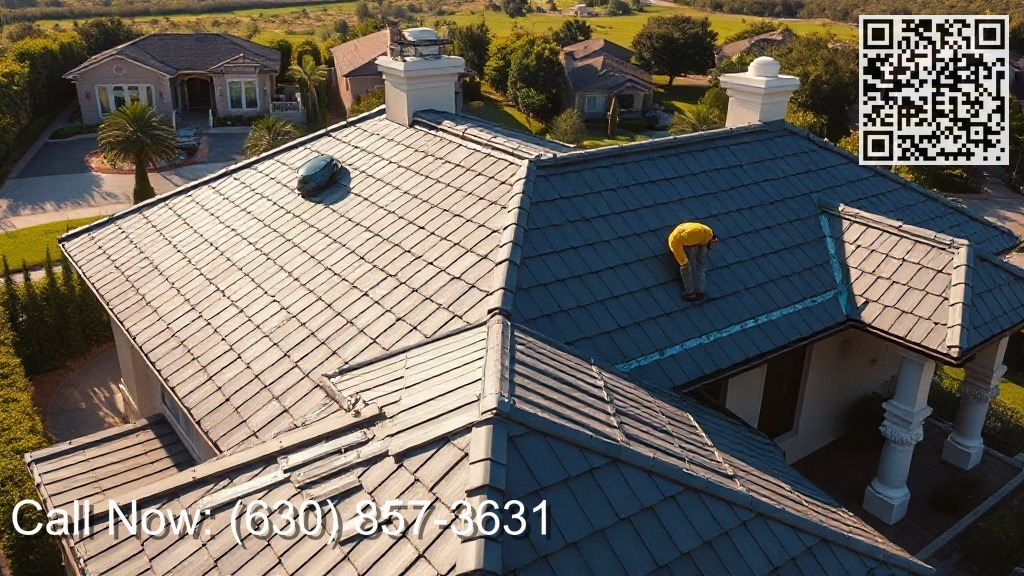
That typically includes personalized homes, upper-end suv residences, renovated historic-looking properties, and residences with complex roof covering geometry where cedar or slate would certainly drive costs dramatically greater. It likewise consists of home owners who have actually currently lived through the disadvantage of an additional product. A person that has actually changed storm-damaged asphalt twice in fifteen years, or invested years keeping an aging cedar roof, has a tendency to recognize the allure quickly.
In the Chicago area, artificial roof have located an especially good fit on homes that want the visual personality of old-world materials while standing much better to hail, wind, and wintertime dampness. That holds true from city communities with masonry-heavy architecture to western residential areas where big homes rest revealed to weather throughout open lots.
Choosing the right specialist in the Midwest
The product decision and the service provider decision need to occur with each other. A fantastic item on the wrong house, or in the incorrect hands, can disappoint. A thoughtful specialist tightens that risk by matching product, slope, blinking technique, air flow, and visual information to the real property.
A qualified synthetic professional roofer ought to have the ability to describe why one item is a better fit than an additional without slipping into sales clichés. They must chat easily concerning freeze-thaw conditions, ice protection, attic air flow, ridge details, snow losing behavior, and utility years in the future. They need to additionally have a profile with homes similar to your own, not simply common manufacturer photos.
For home owners contrasting an artificial roofing business versus typical roofing contractors that only occasionally install synthetics, experience matters. This group of roofing is mature enough now that there is no reason to approve on-the-job experimentation.
The Midwest verdict
Architectural artificial roof has earned its area since it addresses a real local demand. It provides house owners a way to record the deepness and difference of slate, shake, or floor tile aesthetic appeals without absorbing every downside those products can bring in a Midwest climate. It is not the least expensive route, and it is not always the most historically genuine path. However it is commonly one of the most well balanced one.
For many homes, especially those looking for costs visual charm and practical toughness, synthetic roof coverings use an engaging center course. They lower weight, usually improve impact resistance, and reduced regular maintenance while preserving a premium building appearance. When coupled with a solid design fit and a self-displined artificial roof covering installation, the outcome can be a roofing system that feels both considerable and sensible.
That equilibrium is what makes artificial roof covering Chicago homeowners significantly request, and what maintains it expanding throughout the wider area. In an environment that subjects every weak point eventually, equilibrium issues. A roofing system has to look right, however it likewise has to maintain verifying itself after the uniqueness is gone, after the tornados come through, and after one more winter season resolves over the Midwest.
When Quality Matters
Salvo Architectural Roofing Contractors
566 West 5th Ave Naperville, IL 60563
(630) 857-3631
 Ask ChatGPT
 Ask Grok
 Ask Perplexity
 Ask Claude
 Ask Google AI
 Ask You